Summer Water Damage Restoration Checklist for Denver Homeowners
Published: 2026-04-18 · By PeakFlow Water Damage Services
With Denver's unique weather patterns bringing rapid temperature shifts, hail storms, and extensive snowmelt each spring, homeowners are often caught off guard by unexpected water damage. When warm temperatures arrive after a harsh winter, the combination of melting snow and rain can overwhelm local drainage systems, leaving many properties vulnerable. It’s essential to take proactive steps to mitigate the risks associated with water damage, especially during summer. Here’s a comprehensive checklist to ensure your home is protected against the elements, putting you a step ahead before the summer storms roll in.
Why This Matters for Denver Homeowners
Water damage is a prevalent issue for many homeowners in Denver, particularly due to its geological makeup. With expansive clay soils prevalent in the area, proper drainage solutions are crucial for maintaining the structural integrity of homes. When the ground absorbs too much water from melting snow or heavy rainfall, it can lead to foundation issues, basement flooding, and other serious complications. Additionally, the freeze-thaw cycles in spring create structural stresses that can be detrimental as temperatures fluctuate.
Not only does water damage lead to potential structural damage, but it can also create health concerns linked to mold growth. Homes with moisture problems are at a higher risk of developing mold, which can affect indoor air quality, leading to respiratory issues. Having a comprehensive understanding of these risks can help Denver homeowners prioritize preventative measures throughout the summer.
Ignoring these risks could lead to costly repairs that might exceed thousands of dollars, along with lost property value. By understanding local environmental factors and making informed decisions, you can safeguard your home from the devastating effects of water damage.
Expert Solutions & Actionable Tips
1. Regular Gutter Maintenance
Cleaning your gutters at least twice during the summer can save you substantial repair costs. Clogged gutters can lead to water overflow, damaging your roof and foundation. Expect to allocate around $100 to $300 for professional cleaning if you're unable to do it yourself.
Set a reminder to perform this maintenance every few months, especially after heavy storms when debris is likely to accumulate. Keeping your gutters in top shape can prevent water from pooling around your foundation and compromising structural integrity.
2. Inspect Your Drainage System
Ensure your drainage system is effective in diverting water away from the foundation of your home. If your property has experienced previous flooding, consider investing in a sump pump installation, which can cost anywhere from $1,000 to $3,500. Regular inspections, especially after the snow melts, can help you spot potential problems early.
During inspection, check for proper slope in the yard and look for areas that pool water after rainfall. Identifying issues promptly can save you from more severe damage later.
3. Seal Cracks in the Foundation
Foundation cracks are common in Denver homes due to the clay soils and freeze-thaw cycle. Sealing these cracks can be a do-it-yourself project, costing around $50 to $100 for supplies. Check for cracks greater than a quarter inch wide—they may require professional repair.
Applying flexible sealants or epoxy can reduce moisture infiltration, ultimately protecting your basement or crawlspace from water damage and mold growth.
4. Check Window Seals
Window leaks can be a significant source of water intrusion during heavy rainfall. Regularly inspect the seals and caulk around your windows, repairing or replacing damaged seals. This maintenance can cost anywhere from $10 to $50 in materials, but it can prevent costly indoor water damage.
Consider reinforcing windows with storm shutters to further protect against hail storms typical in Denver. Investing in this additional layer of protection can save you much more in potential repairs.
5. Monitor Interior Humidity Levels
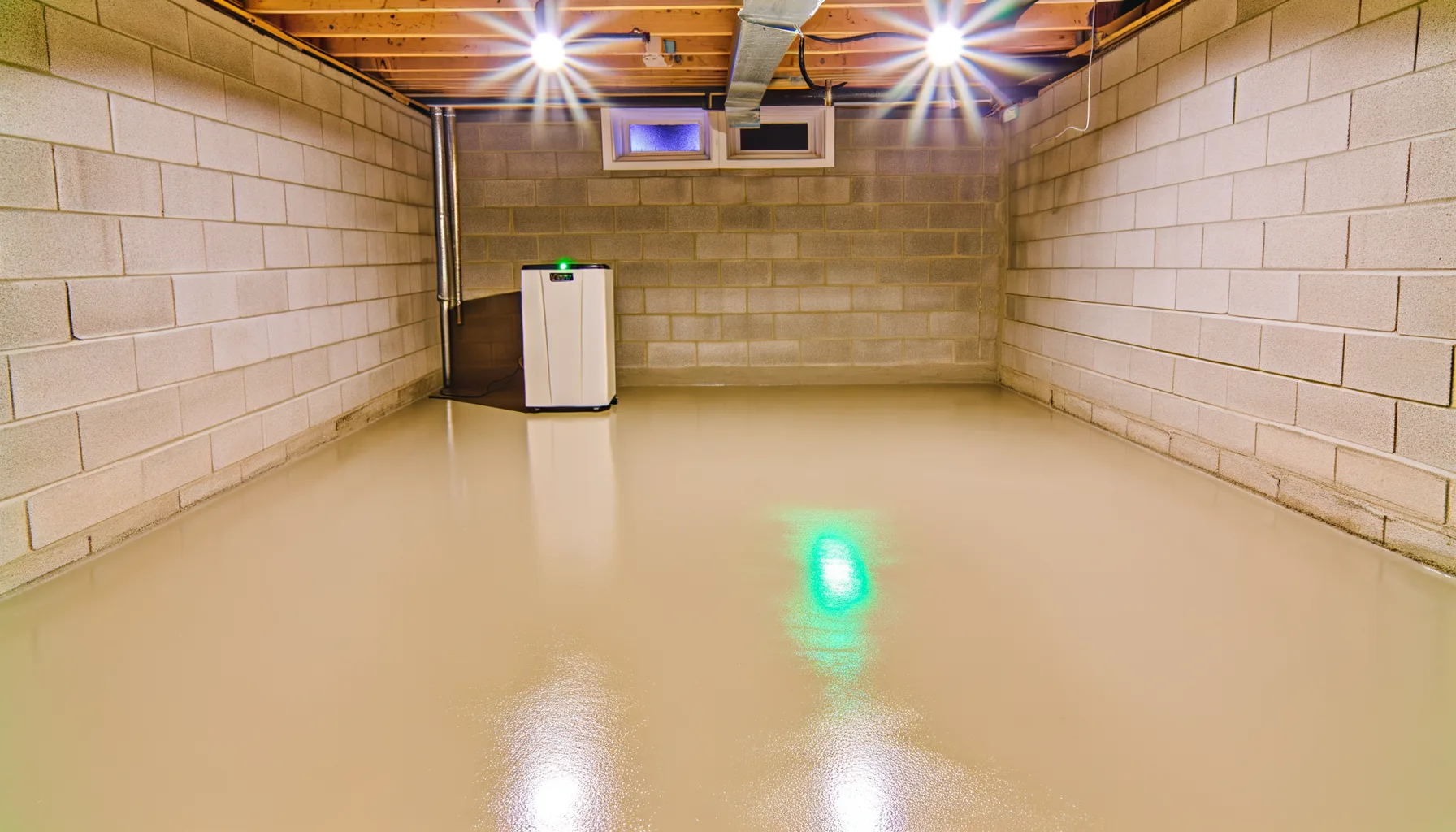
Utilizing a hygrometer to monitor indoor humidity can help prevent mold growth. Ideally, keep your home's humidity between 30% and 50%. If humidity exceeds this range, consider using a dehumidifier, which can cost between $200 to $300, especially in areas like basements that are prone to excessive moisture.
Adjusting your HVAC system settings can also manage humidity—this will not only enhance comfort but will protect your home’s structure and finishes from water damage.
6. Schedule a Professional Inspection
While you can handle many preventive measures yourself, scheduling a professional water damage inspection might be worth the investment. These inspections can cost between $200 to $500, depending on the size and condition of your home. Professionals can identify hidden risks like leaky pipes or irrigation issues.
A thorough assessment can facilitate early detection of potential water damage before it escalates into major problems, thereby protecting your home and finances.
Denver Climate & Local Context
Denver's climate is characterized by rapid temperature swings, heavy winter snowfall followed by significant spring melt, and occasional hail storms. These environmental factors pose unique challenges for homeowners regarding water management and protection. Many homes in the Denver area are constructed on expansive clay terrain, which presents specific drainage concerns. Understanding your home's positioning and soil makeup is essential for effective water damage prevention.
Additionally, Denver's building codes often require homeowners to adhere to specific guidelines for drainage systems. Ensure that any water management modifications comply with local regulations. Adhering to these building codes not only ensures your property remains safe but also helps maintain its value in the competitive Denver real estate market.
When to Call a Professional
While some water damage issues are manageable for the average homeowner, knowing when to contact a professional is crucial. If you experience extensive flooding, mold growth, or foundation issues, it is advisable to engage a water damage restoration company like PeakFlow Water Damage Services. This can save you from further damage and costly repairs down the line.
- Visible water damage on ceilings or walls
- Increased indoor humidity levels with no apparent source
- Signs of mold or mildew growth
- Unexplained water stains that worsen over time
- Flooding that lasts longer than just a few hours
Professional services can efficiently handle problems that could escalate if left unchecked. Always prioritize safety and structural integrity by assessing whether a task is beyond your skill set.
Frequently Asked Questions
What should I do immediately after water damage?
If you suspect water damage, the first step is to stop the source of the water and avoid electrical hazards. Remove valuables from affected areas and start drying out the space with fans and dehumidifiers.
Does homeowners insurance cover water damage in Denver?
Coverage often depends on the cause of the water damage. Most policies cover sudden damages, but issues stemming from neglect or poor maintenance may not be covered. Always review your policy for specifics.
How can I prevent mold growth after water damage?
To prevent mold, ensure proper ventilation and keep humidity levels low. Use dehumidifiers and clean affected areas within 24 to 48 hours after water exposure.
What are common causes of water damage in Denver homes?
Common causes include plumbing leaks, overflows from heavy rains or melting snow, and damage to roofs due to hail storms. It’s important to regularly inspect these areas.
How long does the water damage restoration process take?
The duration of the restoration process can vary significantly based on the extent of damage, typically ranging from a few days to several weeks. Professionals will provide a timeline tailored to your specific situation.
Get Expert Water Damage Restoration Service in Denver
Water damage can create major challenges for Denver homeowners, but proactive measures can significantly reduce risks. At PeakFlow Water Damage Services, we understand the unique conditions that affect your home in Denver. Don’t hesitate to call us at (720) 743-7964 for expert advice and assistance.
Your home deserves the best care to protect it from water damage this summer. Let PeakFlow Water Damage Services be your trusted partner in keeping your property secure.
More Articles
What to Expect During a Professional Water Damage Restoration Assessment
2026-04-18
Water Damage RestorationThe Hidden Dangers of Ignoring Water Damage Restoration Issues in Your Home
2026-04-18
Water Damage RestorationWater Damage Restoration Emergency? Here's What to Do in the First 24 Hours
2026-04-18