How Long Does Professional Water Damage Restoration Take? Timeline Guide
Published: 2026-04-18 · By PeakFlow Water Damage Services
Imagine returning home after a heavy hail storm in Denver, only to find water seeping through your ceiling. This scenario is all too common in our city, especially when sudden temperature swings cause ice dams to form and spring snowmelt exacerbates existing vulnerabilities in the structure. The urgency of water damage restoration cannot be overstated, particularly when rapid weather changes can compromise the integrity of your home.
Why This Matters for Denver Homeowners
For homeowners in Denver, water damage can strike unexpectedly, leading to significant headaches and costly repairs. Rapid freeze-thaw cycles, coupled with expansive clay soils, create unique challenges for property owners. Water can pool around foundations, and improper drainage can exacerbate damage, leading to mold growth and structural issues. Without prompt action, the costs can escalate quickly, creating both a financial burden and a health risk.
Even a minor leak can lead to mold and deterioration if not addressed swiftly. With our high-desert climate, the effects of seasonal storms magnify existing problems, often requiring specialized restoration techniques. Identifying and mitigating the initial water intrusion is critical to prevent larger crises down the road.
Expert Solutions & Actionable Tips
1. Understanding the Water Damage Restoration Timeline
The water damage restoration process can vary depending on the extent of the damage. Generally, homeowners can expect an assessment and mitigation of water damage to take between 24 to 48 hours. Initial inspection and damage categorization are crucial in determining the next steps.
In many cases, drying and dehumidification can take an additional 3 to 7 days, especially where heavy snowmelt is prevalent.
2. Common Restoration Techniques
Typically, the restoration will involve water extraction, followed by drying and dehumidification. Equipment costs can range from $300 to $1,500 depending on the size and type of equipment needed in your specific situation.
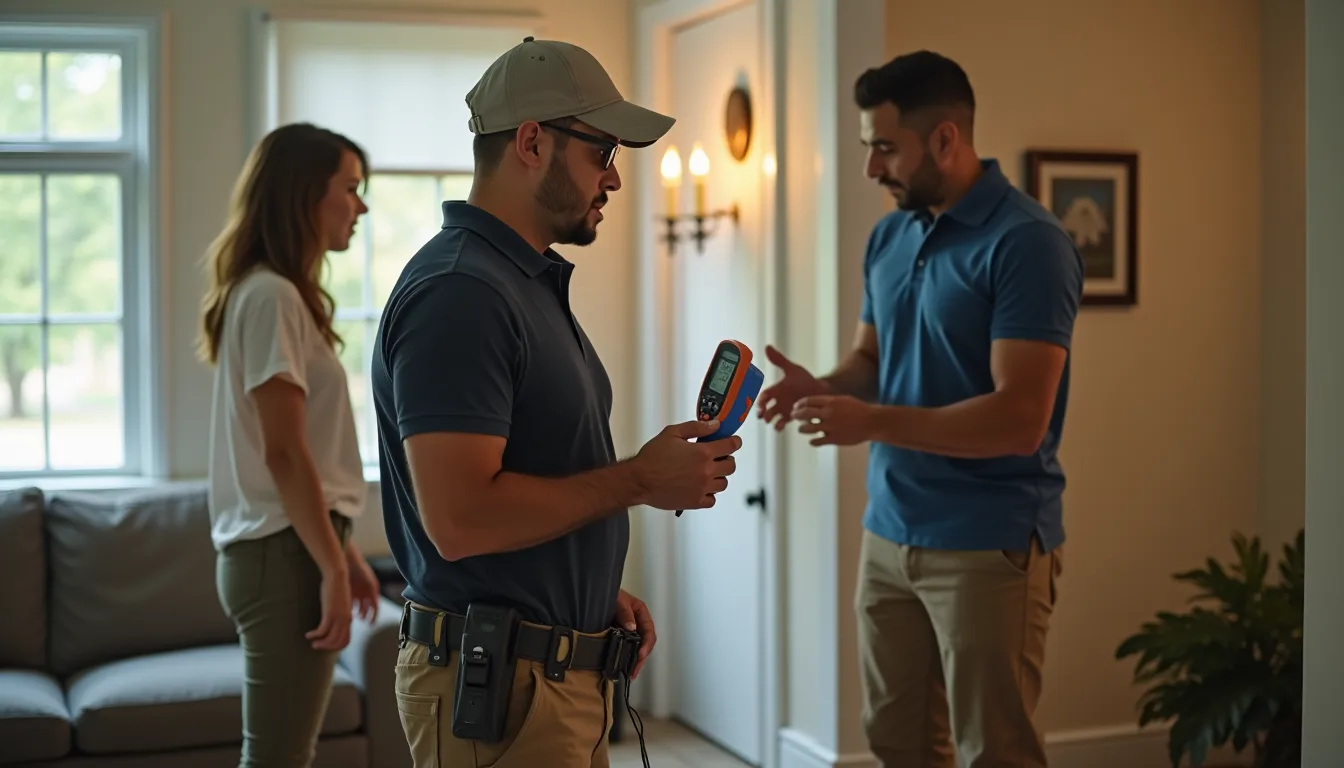
Using infrared technology, professionals can locate hidden moisture which is particularly important in homes on expansive clay soils that may have water issues deep within their foundations.
3. Mold Growth Mitigation
Mold can begin to develop just 24 to 48 hours after water damage occurs. It’s essential that mold remediation is included in your restoration plan. The removal process may add an extra 3 days to your timeline.
Mold removal typically costs an additional $500 to $3,000 depending on the severity and location of the mold.
4. Homeowner Responsibilities
Denver homeowners should be proactive in preventing water damage. Regular inspections of roofs and gutters are essential. Cleaning your gutters at least twice a year can prevent water pooling near the foundation.
Inspecting and maintaining proper drainage systems can cost between $100 to $500, which is a small price for ensuring your home’s longevity.
5. Assurance of Compliance With Local Codes
Always check for compliance with local building codes when planning water damage restoration. Denver has specific guidelines that must be followed.
Neglecting code requirements may result in fines or complicated future repairs. Consultation with a restoration company ensures your project aligns with city mandates.
6. Insurance Considerations
Understanding your homeowner's insurance policy before a disaster occurs is crucial. Water damage claims can significantly differ based on factors like visibility and source of the water.
It's advisable to document your damage thoroughly as soon as it’s safe to do so; having compelling evidence can influence the speed and amount of your payout.
Denver Climate & Local Context
Denver's climate is a stark mix of extremes, from rapid temperature shifts to heavy snowfalls in spring. This weather volatility puts homes at risk, particularly with water damage. Properties built on expansive clay soils are particularly susceptible to foundation issues exacerbated by water. Unfortunately, many homes in the area do not have adequate drainage solutions in place, making the need for restoration services more pressing.
Local building codes often address these concerns, requiring specific engineering for homes in vulnerable areas to help steer water flow away from the structure. Knowing these regulations is key for homeowners faced with restoration efforts.
When to Call a Professional
When it comes to water damage, knowing when to call a professional is vital. Many minor leaks can be fixed with some DIY troubleshooting; however, more severe issues demand expert intervention. Professionals possess specialized equipment and expertise that the average homeowner does not.
- Inaccessible leaks behind walls or in crawl spaces.
- Visible mold developing in multiple areas.
- Damage from flooding or large-scale water intrusion.
- Persistent odors indicating moisture problems.
- Unexpected increases in utility bills suggesting hidden leaks.
Frequently Asked Questions
How quickly should I begin restoration after water damage?
In Denver, it’s crucial to start restoration within 24 to 48 hours to minimize damage and prevent mold growth. Immediate action can save you time and money.
Does water damage always require professional services?
Not always, but for significant leaks or flooding, professional services are recommended. They can assess the full extent of the damage that you might not notice.
What are common causes of water damage in Denver homes?
Rapid temperature changes and heavy snowmelt often cause issues, especially in homes with inadequate drainage. Roof leaks from hail and ice dams are also common.
How can I tell if my insurance covers water damage restoration?
Review your policy or contact your insurance agent to understand coverage details. Policies can differ significantly, particularly concerning the source of water.
What should I do if I suspect mold after water damage?
If you suspect mold, it's best to avoid the area and call a professional for testing and remediation. Mold can pose serious health risks and should be addressed promptly.
Get Expert Water Damage Restoration Service in Denver
Water damage doesn’t wait, and neither should you. If you've experienced water intrusion in your home, it’s time to take action with PeakFlow Water Damage Services. Our experienced team in Denver is ready to assist you in restoring your home and ensuring its integrity. Don’t hesitate to call (720) 743-7964 for a consultation.
Your home is your sanctuary—let us help you protect it from the unforeseen challenges of water damage.
More Articles
What to Expect During a Professional Water Damage Restoration Assessment
2026-04-18
Water Damage RestorationThe Hidden Dangers of Ignoring Water Damage Restoration Issues in Your Home
2026-04-18
Water Damage RestorationSummer Water Damage Restoration Checklist for Denver Homeowners
2026-04-18