Water Damage Restoration and Your Home's Foundation: What You Need to Know
Published: 2026-04-18 · By PeakFlow Water Damage Services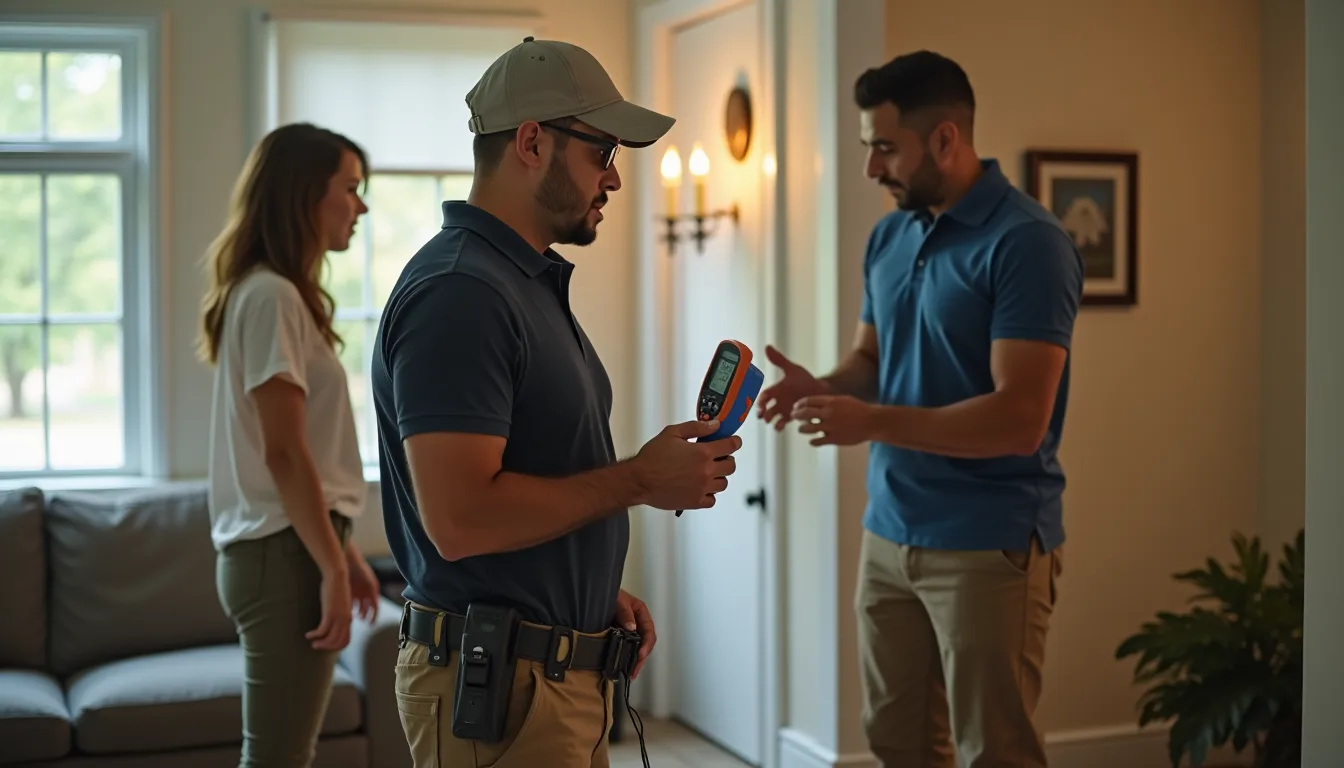
If you've ever come home to find your basement flooded after a spring storm in Denver, you understand the heart-sinking panic that comes with water damage. The unpredictable weather can bring heavy rainfall, and rapid melting snow can lead to significant foundation issues, particularly in homes built on expansive clay soils. This article sheds light on the crucial link between water damage restoration and your home's foundation, equipping you with the necessary knowledge to tackle potential problems head-on.
Why This Matters for Denver Homeowners
Water damage is not just an inconvenience; it poses serious threats to the structural integrity of your home, especially in a city like Denver. With its rapidly changing weather patterns and a high likelihood of hail storms, homeowners are often faced with leaking roofs, burst pipes, and water pooling around foundations. The expansive clay soils common in the region can exacerbate these issues, leading to soil movement and foundation cracking.
When the freeze-thaw cycles kick in each spring, the ground expands and contracts, which can put enormous pressure on your foundation. Moisture issues can also encourage mold growth, which can be hazardous to health. Understanding how water damage correlates with your foundation’s stability is essential for any Denver homeowner.
Ignoring small leaks can lead to major repairs later; the earlier you address water issues, the better your home will perform throughout its lifespan.
Expert Solutions & Actionable Tips
1. Conduct Regular Inspections
Regularly inspecting your home for signs of water damage can save you costly repairs in the long run. Look for discoloration on walls or ceilings, musty odors, or pooling water near your foundation. In Denver, this should be done at least twice a year, especially before and after the spring thaw, when water damage is likely to manifest.
Inspection costs can vary, but budget around $200-$500 for a comprehensive assessment by professionals like PeakFlow Water Damage Services. They can spot issues you might overlook, ensuring that your home remains resilient against the elements.
2. Invest in Quality Drainage Systems
Many Denver homes are built with drainage issues in mind, but it’s easy to overlook maintenance. Installing a high-quality sump pump can help manage excess water effectively. Consider investing in a French drain system if water pooling is a consistent problem.
These systems can range from $1,500 to $5,000 depending on the complexity. This may seem steep, but addressing drainage issues upfront helps prevent extensive water damage and costly foundation repairs later.
3. Be Proactive During Heavy Storms
During heavy storms, take immediate action to mitigate water damage. Using sandbags to divert runoff from your foundation and ensuring gutters are clear can help substantially. In Denver's unpredictable weather, a proactive response can prevent significant damage to your home.
Keep in mind that DIY solutions like sandbags are readily available at local hardware stores, usually costing around $10 each. Keeping these on hand can save you time and trouble when storms hit.
4. Consider Annual Maintenance Contracts
Setting up an annual maintenance contract with a water damage restoration service can ensure your property is always protected. These contracts often include seasonal assessments, which are particularly important in a climate like Denver's.
Such contracts could range from $100 to $1,000 annually, depending on the services offered. This is a smart investment for peace of mind and long-term structural integrity.
5. Be Aware of Your Home's Building Code
Understanding local building codes in Denver can help you make informed decisions regarding water damage restorations. These regulations may dictate how drainage systems should be constructed and maintained.
Familiarize yourself with these codes, as ignorance could lead to improperly executed repairs that may not meet legal standards. This knowledge can enhance not only compliance but also the overall longevity of your home's structure.
6. Document Repairs and Inspections
Keeping a detailed record of any repairs or inspections is critical when facing water damage issues. This documentation can be invaluable if you ever have to file an insurance claim.
For your peace of mind—and to streamline the restoration process—organize these records into a dedicated folder. This simple step can save you time and hassle in the event of financial claims down the line.
Denver Climate & Local Context
Denver's climate, characterized by rapid temperature swings and significant precipitation, makes water damage concerns particularly relevant for homeowners. With winter’s heavy snowmelt often leading to ground saturation, paired with spring storms, the risks multiply significantly.
Furthermore, many local homes are built on expansive clay soils, which can shift dramatically with moisture changes. Colorado's building codes require specific drainage planning to accommodate these natural conditions; understanding them can aid in safeguarding your foundation from potential catastrophes.
Consider consulting with a local expert to evaluate whether your drainage setup complies with municipal standards, as it could save you from facing costly repairs later.
When to Call a Professional
While many homeowners might be tempted to tackle minor water damage issues on their own, it’s crucial to know when a professional is necessary. Certain situations require specialized knowledge and equipment that go beyond the scope of DIY fixes.
Here are some red flags indicating that you should call a professional:
- Extensive water damage spanning multiple rooms
- Visible mold growth exceeding a square foot
- Water damage occurring after a plumbing emergency
- Warning signs of structural weakness, such as cracks in foundation walls
- Persistent musty odors that don’t dissipate
- Uncertain sources of leaks or flooding
- Local weather reports indicating severe storms on the horizon
In these cases, reaching out to a water damage restoration expert like PeakFlow can provide peace of mind and prevent additional structural issues.
Frequently Asked Questions
What should I do if I find water damage in my home?
If you discover water damage, immediately assess the extent of it and call PeakFlow Water Damage Services to get professional assistance. They provide quick responses to water-related emergencies in the Denver area.
How can I prevent water damage in my Denver home?
Regular roof inspections, maintaining gutters, and investing in quality drainage systems are essential steps to prevent water damage in Denver’s unique climate.
When is it necessary to get a professional for mold remediation?
If mold is spreading or larger than one square foot, it’s time to call a professional. Mold can pose serious health risks, and PeakFlow Water Damage Services specializes in safe removal.
How quickly should I act when dealing with water damage?
Time is crucial. You should act within 24-48 hours to minimize damage and prevent mold growth; contact PeakFlow immediately once you notice any issues.
What are the costs associated with water damage restoration in Denver?
Restoration costs can vary widely based on the extent of damage but typically range from $1,000 to $3,500 for small cases. More extensive damage may require assessments and comprehensive repairs.
Get Expert Water Damage Restoration Service in Denver
Water damage can sneak up on any homeowner, especially in Denver's challenging climate. At PeakFlow Water Damage Services, we’re here to assist you with any urgent restoration needs. If you notice any signs of water damage or want to take proactive measures, don’t hesitate to call us at (720) 743-7964. Let’s work together to protect your home!
Your home deserves the best—reach out today, and keep your investment safe with PeakFlow Water Damage Services.
More Articles
What to Expect During a Professional Water Damage Restoration Assessment
2026-04-18
Water Damage RestorationThe Hidden Dangers of Ignoring Water Damage Restoration Issues in Your Home
2026-04-18
Water Damage RestorationSummer Water Damage Restoration Checklist for Denver Homeowners
2026-04-18